From Marlene to David Bowie – a music-movie-literature-architecture tour in the West of Berlin
My tour starts in front of Marlene Dietrichs birthplace. Because why not start with old Hollywood glamour when you can? Marlene was lucky to find an infrastructure of gay and lesbian bars in the 20s, a thriving cabaret scene, opportunity peccability and eccentricity everywhere. For the last movie she appears in, The Last Gigolo, she refuses to return to Berlin so she acts out all of her scenes in Paris while the main star David Bowie remains in Berlin.
We continue our tour in front of David Bowie’s former apartment on Hauptstraße 155. Before his move to Berlin in April ’76, Bowie is kept on the Russian-Polish border because he is carrying a suitcase full of Nazi memorabilia with him; mostly books. “I am just researching for a Goebbels musical…” Bowie begs the border police to let him pass. And they do.
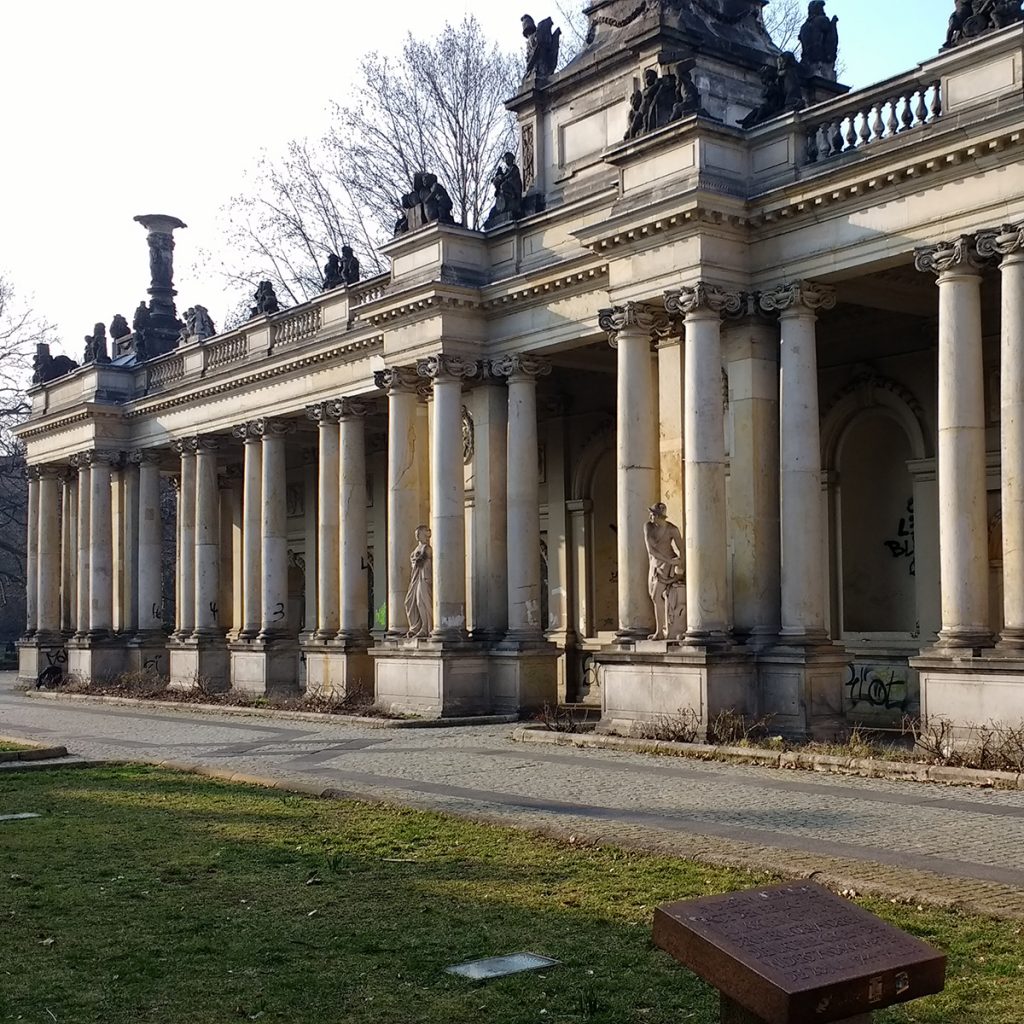
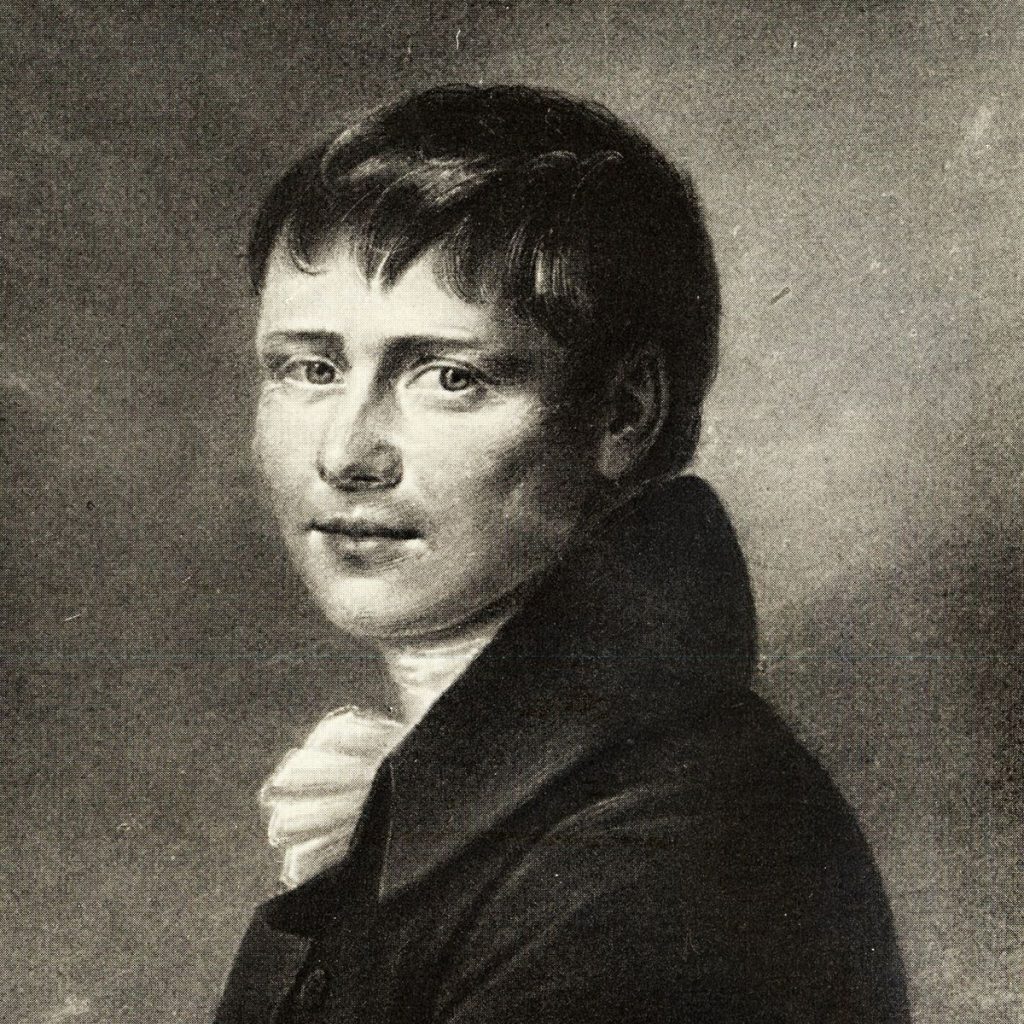
We will discuss a few prominent figures in German romanticist literature such as Heinrich von Kleist, Edgar Allen Poe’s role model ETA Hoffmann and Adelbert von Chamisso, how they tie into the history of the Kleistpark.
This area has been playing a striking role in very recent history as well. The Palasseum, just one example of the architectural pearls in close proximity of the park, has appeared on countless album covers and music videos by German rap artists. Once a symbol for social decay, today a prestigious piece of real estate under protection – a quintessential Berlin story.
My tour has obviously a very LGBTQ+ undercurrent, but I include writers and other personalities that led very heteronormative life because they tie in so well with the surroundings and the history of the area.
Depending on the particular interest of the group I can put the focus wherever it is desired – these are the options:
- Marlene Dietrich and her beginnings, her unofficial role model Claire Waldorff and their gender non confirming behaviour.
- David Bowie and his life in Berlin.
- Iggy Pop and his life in Berlin.
- Adelbert von Chamisso and ETA Hoffmann, the great-grandfathers of horror stories. Every principle of every horror story, from the notion of selling your shadow to the devil to how you can recognize vampires on their shadowless selves started with these guys (Carl Gustav Jung would have a field day!)
- Rahel Varnhagen von Ense, a Jewish woman, who according to literary scholars was the most important figure in German romanticism next to Goethe and entertained a salon were for the first time a heterogenous group of men women, christians Jews, royalty, poets, scientists gathered. Her letters are a remarkable testimonial about female friendship.
- Frederik the Great and the leftovers from the original palace of Berlin.
- Goebbels and his infamous sport palace speech: “Do you want total war?”
- Show trials against the attempted Hitler assassination: Stauffenberg and his co-conspirators (Operation Valkyrie).
- The royal garden and the park today.
- Architectural gems such as the brutalist Pallasseum and its cultural significance in German rap music, the Karthreiner-Haus the first high-rise office building in Berlin.
- Proto-homonormativity: Writers during the time of romanticism lived in a sort of golden age were friendships between men that were potentially sexual were misrecognized as purely platonic. The French called these inconspicuous but nevertheless peculiar friendships “l’amititié allemande”. Homoerotica can be found in the works of Goethe, Hölderlin and most notably Kleist, who was very likely gay. The word homosexuality itself was a German invention and appeared for the first time in 1869 on a pamphlet that polemicized against the Prussian anti-sodomy statue.
- Nells Sachs: German Jewish writer who wrote about the horrors of the Shoah.
- Nico: the only one of Warhol’s superstar who had a life apart from the factory as a singer of the Velvet Underground, actress in Fellini movies.
Please contact me if you’re interested in this tour.